 Winter Fire Safety: Protecting Your Home Inside and Out
Winter is a season many look forward to. It brings cozy nights, crackling fireplaces, gatherings with family, and the warm glow of holiday decorations. It also brings some very real risks. Winter is the most common time of year for home fires, and many of these incidents are preventable with awareness and simple safety habits.
Families spend more time indoors during the colder months, which increases the use of heating equipment, candles, and fireplaces. Oakwood has shared seasonal home safety tips in past blogs, including fall safety reminders and winter home maintenance checklists, but fire safety deserves a focused look of its own. This month, we are highlighting the most common winter fire hazards and offering practical steps to help keep your home and family safe.
Why Winter Sees More House Fires
Home fires happen year-round, but national fire organizations consistently report a spike between November and February. Heating equipment is one of the leading causes of home fires in the United States. Cooking incidents also increase around the holidays. December is the top month for candle-related fires, and Christmas tree fires, while not frequent, can be extremely destructive. Even outdoor activities like fire pits and holiday lighting can lead to dangerous situations if not handled safely.
The good news is that most winter fires are preventable. Understanding where the risks are is the first step in avoiding them.
 Heating Equipment: A Top Winter Hazard
One of the biggest fire risks in the colder months comes from heating equipment. Space heaters, fireplaces, wood stoves, and furnaces are used more often this time of year, and misuse can quickly turn dangerous.
Space Heater Safety
Space heaters are responsible for a large share of winter fire deaths. Many fires happen because heaters are placed too close to bedding, curtains, or upholstered furniture.
Keep these safety practices in mind:
- Place your heater on a hard, flat surface.
- Keep it at least three feet away from anything that can burn.
- Plug it directly into the wall outlet, not an extension cord.
- Turn it off when you leave the room or go to sleep.
- Choose a model with an automatic shutoff feature.
These simple habits can significantly reduce risk.
Fireplaces and Wood Stoves
If your home uses a fireplace or wood stove, winter is the perfect time to review safe burning practices. In our previous winter prep posts, Oakwood encouraged homeowners to schedule annual inspections. This is especially important for chimneys, which can develop creosote buildup that leads to chimney fires.
Here are some additional fireplace safety reminders:
- Have your chimney inspected and cleaned once a year.
- Use a sturdy screen to block sparks from escaping.
- Burn only dry, seasoned wood.
- Keep flammable items three feet away from the hearth.
- Make sure ashes have fully cooled before disposing of them in a metal container.
A well-maintained fireplace can provide warmth and comfort throughout the season. The key is to keep safety at the center of its use.
Holiday Decor Safety: Candles, Lights, and Trees
The holidays bring a special kind of magic, but they also bring increased fire hazards. Decorations, candles, and electrical lighting add beauty, yet they require careful handling.
Candle Safety
Candles are charming and festive, especially during holiday gatherings. They are also a leading cause of house fires in December.
To use candles safely:
- Never leave a lit candle unattended.
- Keep candles away from children and pets.
- Use sturdy candle holders that will not tip over.
- Place candles at least a foot away from anything flammable.
- Consider switching to battery powered LED candles for a safer alternative.
A single forgotten candle can cause a fast-moving fire. Staying mindful prevents accidents.
Christmas Tree Safety
If you have a live Christmas tree, keeping it properly watered is one of the most important ways to prevent fires. A dry tree can ignite within seconds and burn with surprising intensity.
Keep your tree safe with these tips:
- Water it daily so it never dries out.
- Place it at least three feet away from fireplaces, radiators, or space heaters.
- Use lights that are rated for indoor use and in good condition.
- Replace any light strands with frayed wires or loose bulb connections.
- Turn off tree lights before leaving home or going to bed.
Artificial trees can also pose risks if electrical components are damaged or old, so always inspect lighting before decorating.
 Holiday Lighting Safety
Outdoor lights bring cheer to the season, and many homeowners enjoy decorating roofs, porches, and trees. Just make sure your lights are designed for outdoor use and that cords are in good condition.
Before installing outdoor décor:
- Check lights for cracked sockets or exposed wires.
- Avoid overloading outlets.
- Secure extension cords off walkways where they cannot be tripped over.
- Keep lights away from dry leaves, gutters, or highly flammable surfaces.
- Use outdoor-rated extension cords and timers.
These small precautions can prevent larger problems.
Outdoor Winter Fire Safety
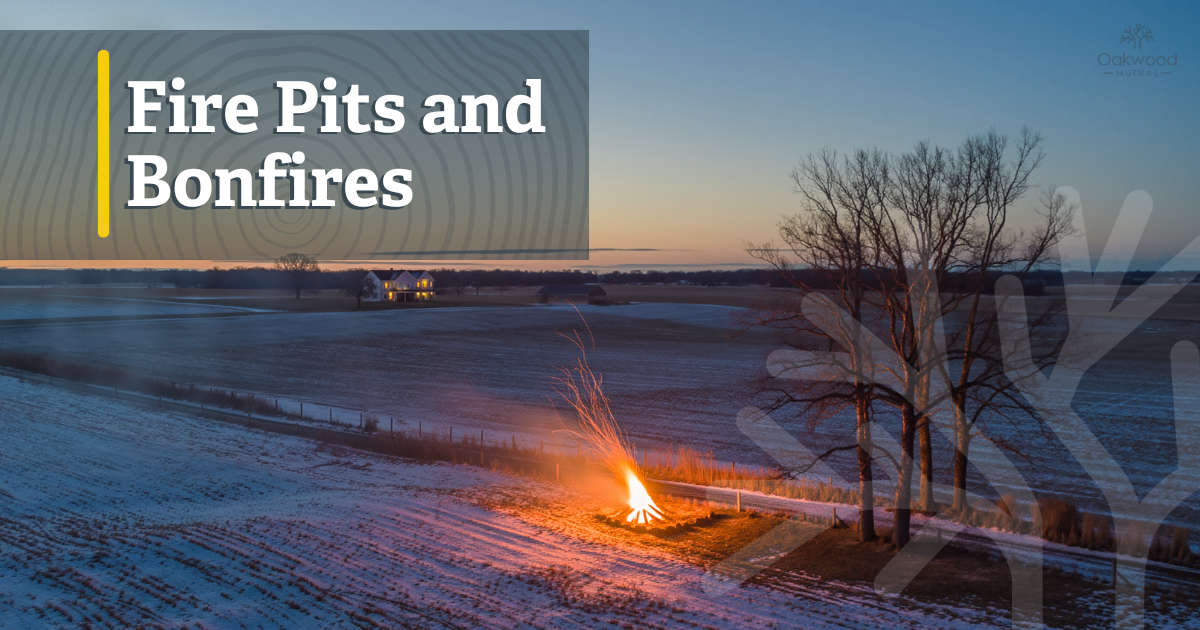
While most fire concerns in winter happen indoors, outdoor activities also carry risks. Backyard fire pits, bonfires, and patio heaters are popular during the chilly months.
 Fire Pits and Bonfires
To enjoy these safely:
- Keep fires at least 15 feet from homes, garages, and sheds.
- Never burn wrapping paper, Christmas trees, or treated lumber.
- Have a water source or fire extinguisher nearby.
- Fully extinguish fires before going inside for the night.
A fire pit can be a great gathering spot, but only when used responsibly.
Outdoor Heating Units
Patio heaters offer warmth for gatherings and outdoor relaxation. To prevent accidents:
- Secure heaters on a flat, stable surface.
- Follow all manufacturer instructions.
- Keep heaters away from overhangs or flammable materials.
- Store propane tanks properly when not in use.
These efforts can prevent fires and injuries.
Essential Prevention Habits Every Home Should Have
Fire safety is about more than avoiding hazards. It also includes having the right tools and plans in place in case something goes wrong.
Every home should have:
- Working smoke alarms on each level of the house and inside bedrooms.
- Monthly alarm tests and yearly battery replacements.
- Carbon monoxide detectors, especially near sleeping areas.
- A family escape plan that is practiced twice a year.
- Fire extinguishers in the kitchen, garage, and near fireplaces.
- Clear and visible house numbers for emergency responders.
These basic steps can greatly improve safety and peace of mind.
If a Fire Does Happen
Even with the best preparation, accidents can still occur. If a fire starts in your home, get out immediately, call 911, and stay outside. Never reenter a burning building.
Once everyone is safe, contact your insurance provider to begin documenting damage and starting the claims process. Oakwood’s team is here to help guide policyholders through recovery and provide support when they need it most.
Staying Safe All Winter Long
Winter is a season full of warmth, celebration, and togetherness. With a little preparation and awareness, you can enjoy the months ahead while keeping your home safe. Oakwood is committed to helping protect families and providing resources that build safer communities.