 July is peak season for backyard living. Grills are firing up most evenings, fire pits are drawing neighbors over after dark, and bonfires are turning into the centerpiece of holiday weekends and family reunions. All of that open flame makes for great summer memories, but it also means your home is carrying more fire risk this month than almost any other time of year.
The good news is that most backyard fire incidents are preventable with a little planning. Here’s what to know about keeping your grill, fire pit, and bonfire gatherings safe, and how they connect to other risks already sitting around your property.
Grilling Without the Drama
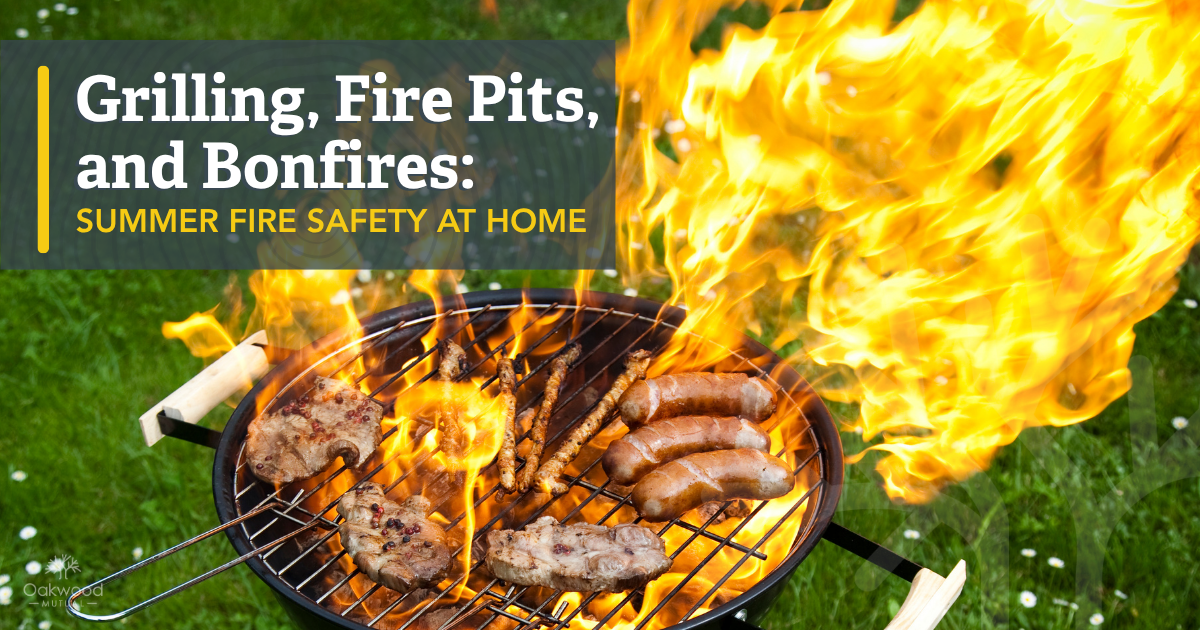
Grills cause thousands of home fires every summer, and the culprits are almost always the same: grease buildup, grills placed too close to siding or railings, and unattended flare-ups. A few habits go a long way:
- Keep the grill at least 10 feet from your house, deck railings, and any overhanging branches.
- Clean grease traps and grates regularly. Built-up grease is one of the most common ignition points.
- Never leave a lit grill unattended, even for “just a minute.”
- Keep a fire extinguisher or a full bucket of sand within reach.
If your grill lives on a deck or porch, it’s worth a second look at the structure underneath it too. We’ve covered the broader risks decks and porches carry in Deck and Porch Stair Safety, and a hot grill on aging or untreated wood is exactly the kind of combination that turns a minor structural issue into a major one.
 Fire Pits: Location Is Everything
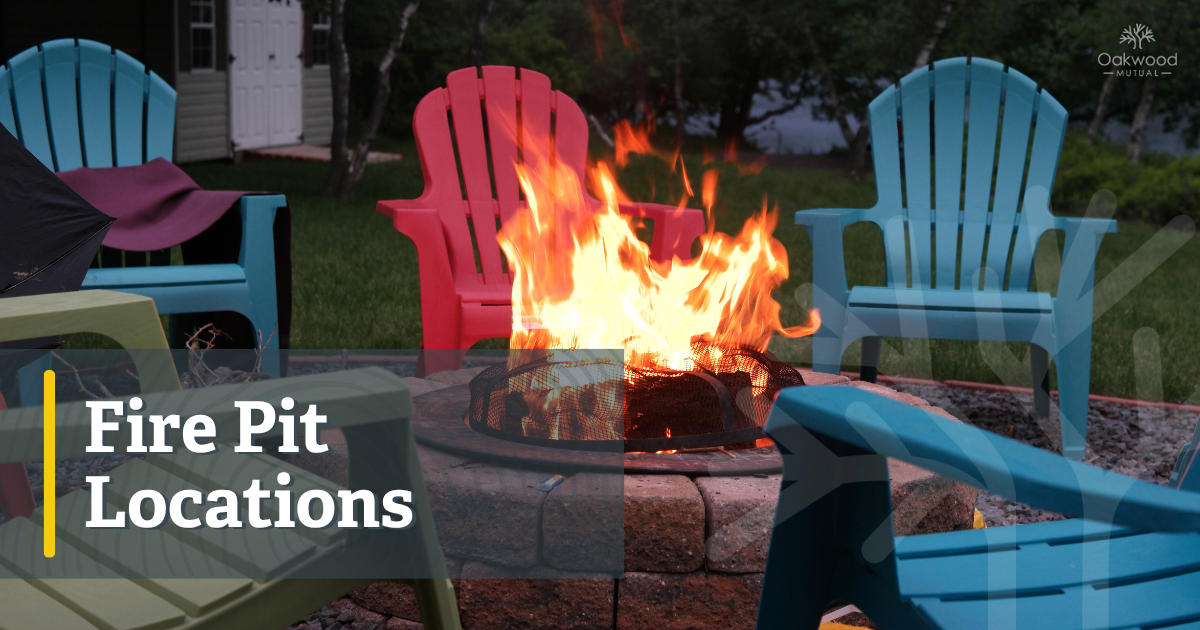
Fire pits feel low-key compared to bonfires, but they still throw embers, generate intense radiant heat, and can scorch nearby structures faster than people expect. Before you light one up:
- Place it at least 10 to 15 feet from your house, fence, shed, or any wooden structure.
- Check for overhead branches and clear dry leaves or mulch in a wide ring around the base.
- Use a screen or cover to contain sparks, especially on breezy nights.
- Never use gasoline or lighter fluid to get a stubborn fire going. Use only seasoned, dry wood.
A surprising number of fire pit mishaps happen because the pit is positioned near a shed, detached garage, or storage building that nobody thought of as a fire risk. We dug into that exact blind spot in The Hidden Risks of Outbuildings, and it’s worth a read before you settle on where your fire pit lives permanently.
 Bonfires: Bigger Fire, Bigger Responsibility
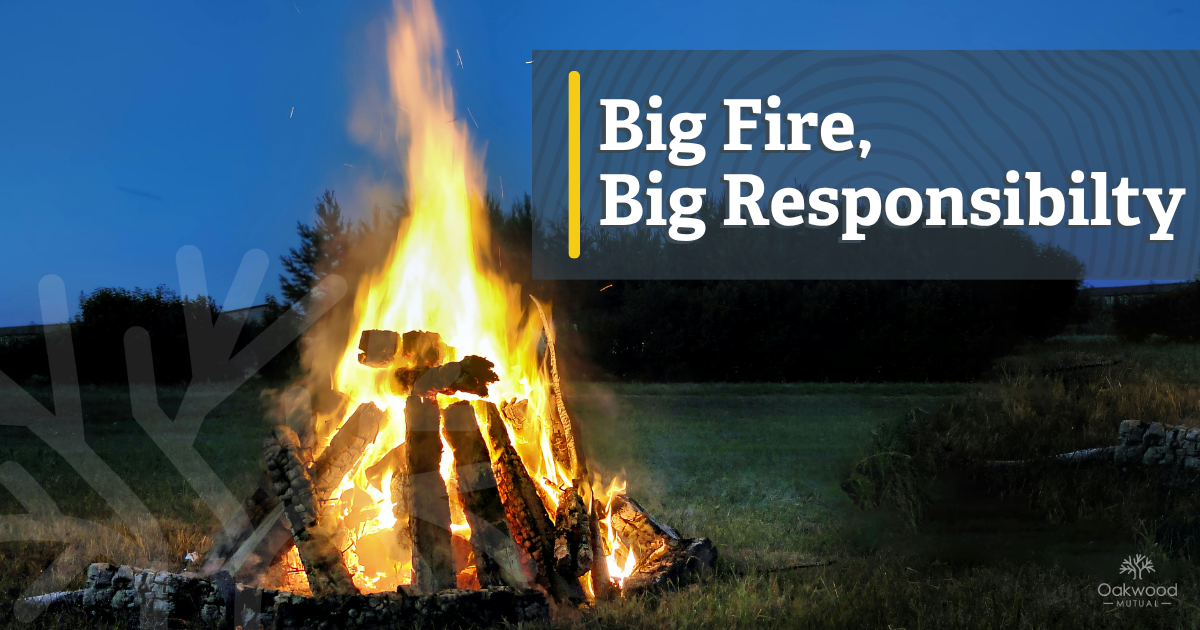
Bonfires bring people together, but they also carry the highest risk of the three. Before lighting one:
- Check local ordinances and burn bans. Many municipalities restrict open burning during dry stretches, and a violation can come with fines as well as liability if the fire spreads.
- Choose a spot well away from trees, fences, and structures, ideally on bare dirt or gravel rather than dry grass.
- Keep a hose, extinguisher, or several buckets of water on hand the entire time the fire is burning.
- Never leave a bonfire to die out on its own. Douse it completely, stir the ashes, and douse again before everyone goes inside.
It’s also a good moment to think about who’s watching your house when the gathering wraps up, especially if it’s the kind of event where people come and go or stay late into a weekend you might otherwise be traveling for. If you’ve got a trip coming up later this summer, our guide on Protecting Your Home While Traveling covers the basics of making sure your property is just as safe when you’re not the one watching it.
When Something Goes Wrong Anyway
Even careful homeowners have close calls. Scorched siding, a melted deck board, a small grease fire that singed a railing. Sometimes the damage is minor enough to handle yourself, and sometimes it’s worth involving your insurer. We’ve laid out how to make that call in When to Pay Out of Pocket and When to File a Claim, which is a useful one to bookmark before fire season, not after.
If something more serious does happen, knowing what the claims process actually looks like ahead of time takes a lot of the stress out of it. Our breakdown of What to Expect When Filing a Claim walks through the steps so you’re not figuring it out for the first time in the middle of a bad night.
A Quick Seasonal Reminder
Fire risk doesn’t disappear when summer ends, it just changes shape. If you want to get ahead of it, our Winter Fire Safety post covers the season’s biggest risks, from space heaters to holiday lighting, so you can carry good habits straight through the year.
 Talk to Someone Who Knows Your Policy
Every property is a little different, and the right coverage depends on things like where your fire pit sits, what’s stored in your outbuildings, and how your homeowner’s policy is structured. If you have questions about how your current coverage handles fire damage, our Find an Insurance Agent page can connect you with someone local who can walk through your specific situation.
Enjoy the grilling, the fire pits, and the bonfires this July. A little preparation now means the only thing burning this summer is dinner.